Guide to Precision Dry Cleaning Technology
Precision Dry Cleaning & Dry Ice Cleaning Systems: Semiconductor & PCB Cleaning and Precision Deburring | ESG
From semiconductor and PCB cleaning to precision deburring—
Achieving optimal cleaning results depends not on maximum power output, but on applying process conditions tailored to the specific workpiece.
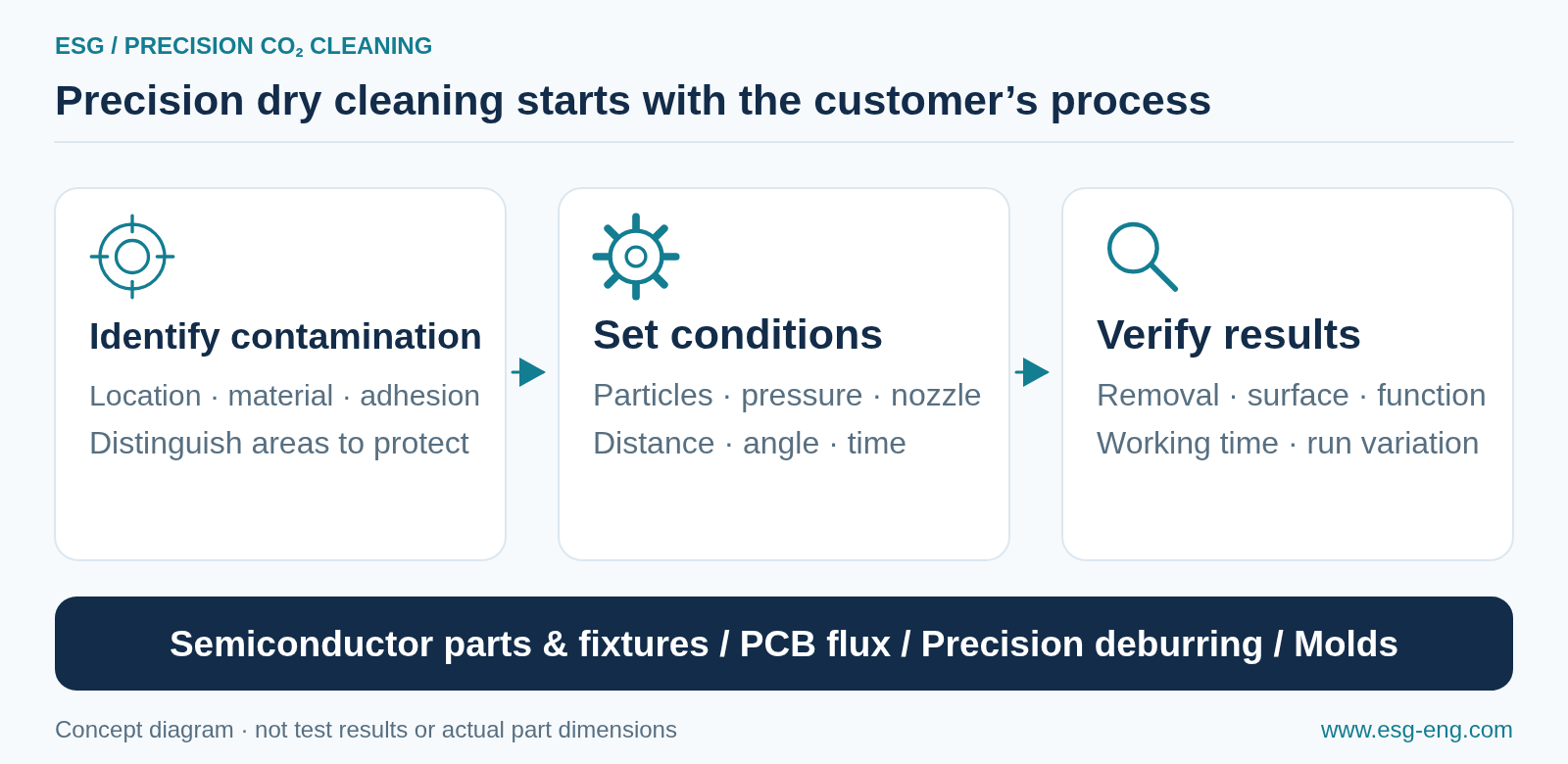
Figure 1. Applicability is assessed through a workflow of contamination analysis → parameter setting → result verification.
In industrial settings, cleaning is not merely about removing contaminants. Every single particle on a surface, every burr inside a micro-hole, and every trace of flux residue on a PCB must be addressed in accordance with product quality standards.
This is precisely where ESG focuses its expertise in precision dry cleaning and CO2 cleaning technologies. Before considering equipment specifications, we first analyze the workpiece, the nature of the contamination, and the required level of cleanliness. [1]
It is not about how powerful the cleaning can be, but whether it can clean with the exact precision required.
For applications involving small, sensitive components—such as semiconductor cleaning, PCB cleaning, and precision deburring—this question must be asked before selecting equipment.
Why Results Vary Even with the Same Dry Ice Cleaning System
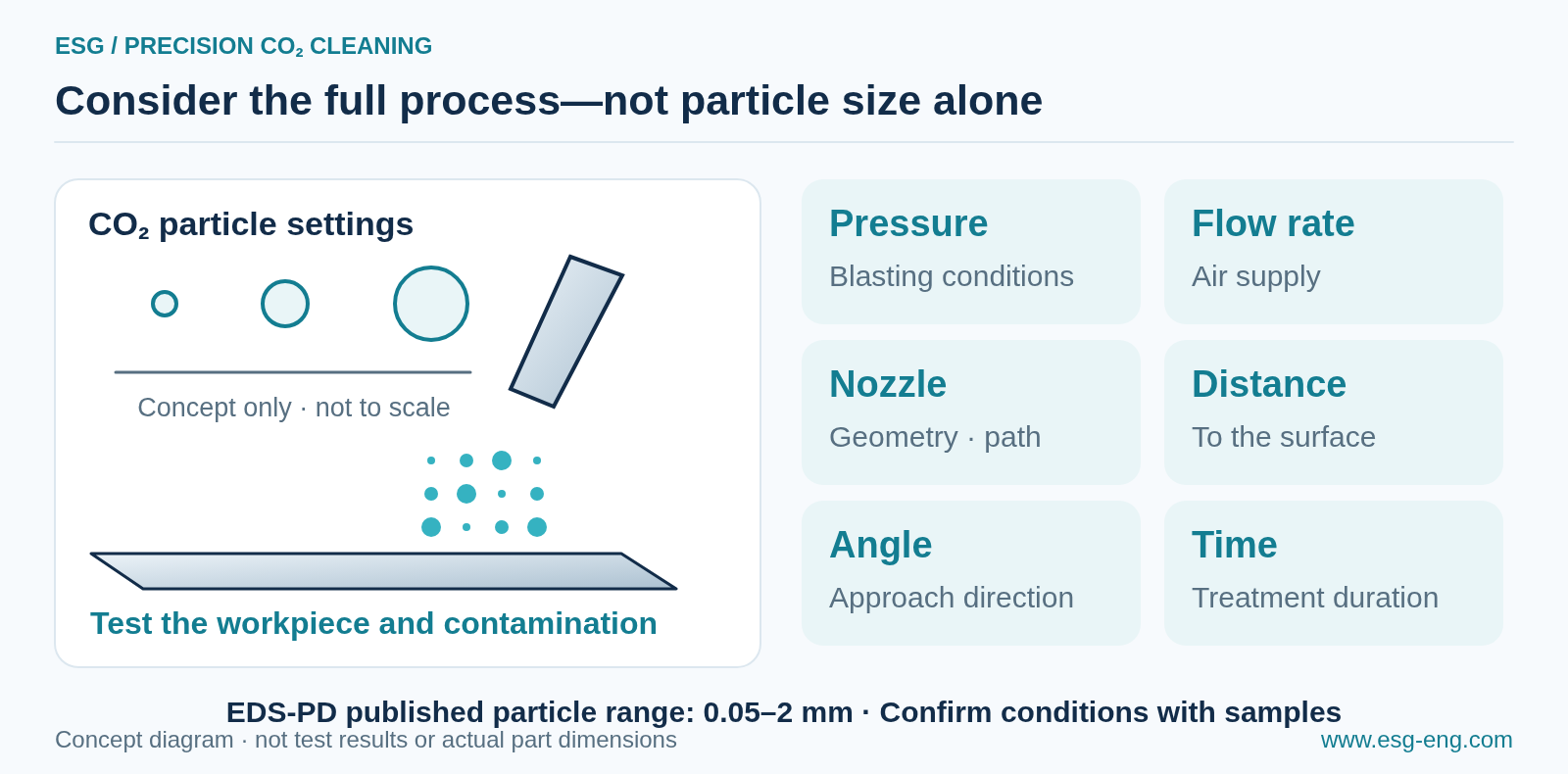
Figure 2. Particle size and spraying conditions are evaluated in tandem. The 0.05–2 mm range represents the published specifications for the EDS-PD model. [2]
The parameters requiring evaluation differ significantly depending on whether a dry ice cleaning system is used for mold or equipment cleaning versus semiconductor components, PCBs, micro-holes, or precision-machined parts. High-pressure spraying alone does not guarantee a successful outcome. ESG’s approach to cleaning technology involves a comprehensive review of factors such as the material's surface condition, contaminant adhesion, spray pressure, air flow rate, nozzle geometry, spray distance and angle, and CO₂ particle size. [1]
Therefore, in precision cleaning, the ability to finely control and replicate cleaning performance is more critical than the maximum output of the cleaning unit itself.
The detailed specifications released by ESG for the EDS-PD model indicate a particle size adjustment range of 0.05 to 2 mm. While these are the published specifications, actual operating conditions must be determined based on the specific object and the nature of the contamination. [2]
Distinguishing between areas requiring powerful cleaning and those where surface protection is paramount—and identifying conditions that meet the quality standards for each process—is essential. This is why, even when considering standard dry ice blasters, one must also evaluate the control capabilities of precision dry cleaning systems.
Semiconductor cleaning requires verifying both cleanliness and process reproducibility.
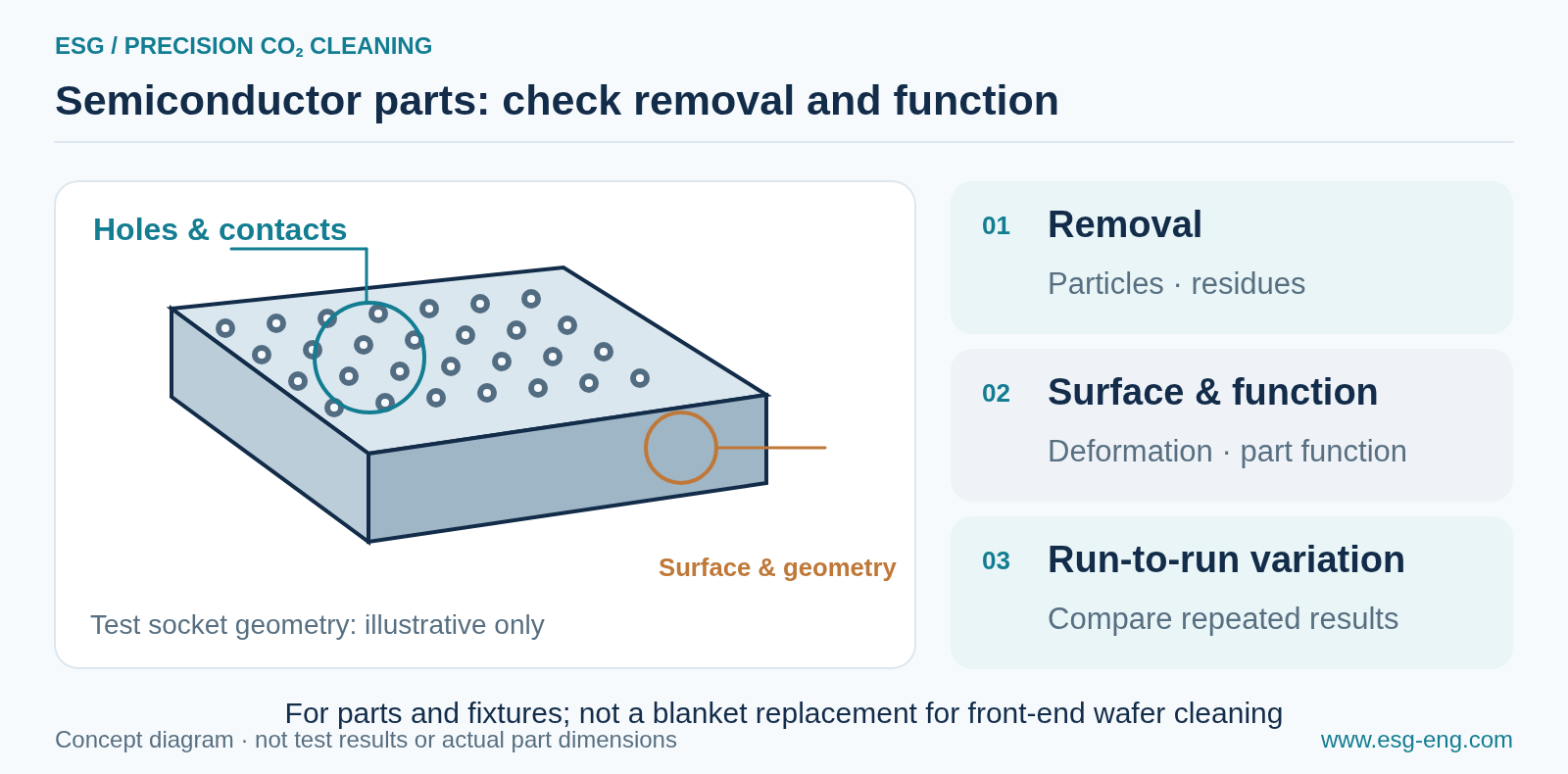
Figure 3. Cleaning semiconductor components and jigs involves checking not only for particles and residues but also for geometry, functionality, and consistency across repeated cycles.
When evaluating semiconductor cleaning technologies, aiming solely for the removal of visible contaminants is insufficient. For components such as test sockets, semiconductor jigs, nozzles, and connectors, it is crucial to consider both the specific areas requiring cleaning and the functional requirements of the parts themselves.
ESG showcases application areas—including semiconductor cleaning, precision hole cleaning, and the cleaning of test sockets and jigs—on its official product and automation webpage. This document focuses on the evaluation of cleaning processes for such components and jigs; it does not imply a wholesale replacement of wafer cleaning processes in the semiconductor fabrication stage. [2][3]
When evaluating semiconductor cleaning equipment, it is advisable to compare the following items based on consistent criteria:
· Particle and residue status before and after cleaning
· Surface damage/deformation and component functionality
· Actual accessibility to micro-holes and crevices
· Consistency of results across repeated operations
· Total processing time (including preparation, cleaning, and inspection)
· Feasibility of using dedicated jigs and automation
The goal of precision cleaning extends beyond simply achieving a clean surface in a single instance; it is crucial to establish operating conditions that consistently meet agreed-upon quality standards during repeated operations.
PCB cleaning begins with flux removal but is finalized through verification.
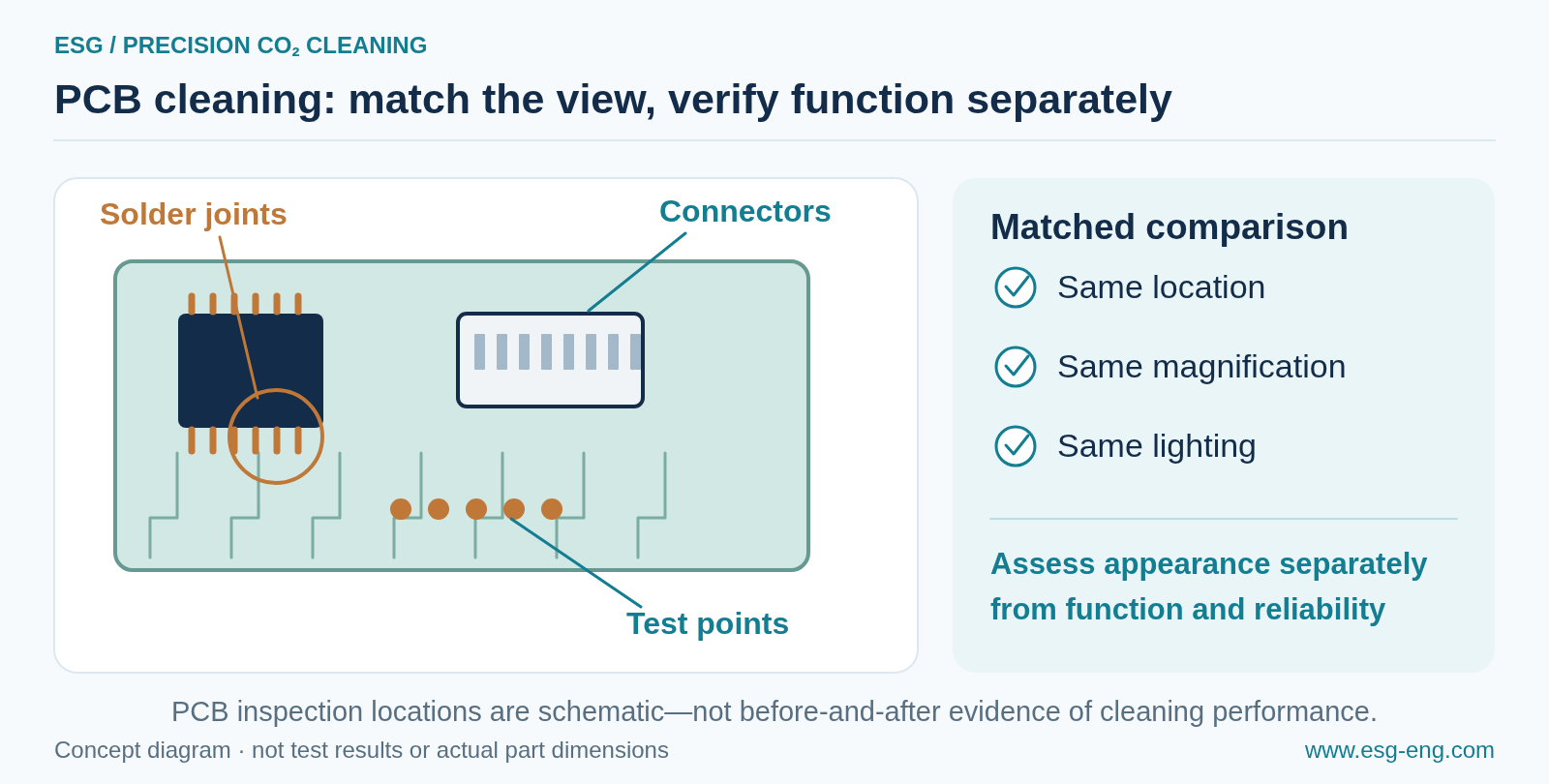
Figure 4. PCB flux cleaning involves aligning comparison conditions and verifying results based on distinct categories: appearance, functionality, and reliability.
Flux cleaning is a key consideration in the PCB cleaning process. Addressing post-soldering flux residues requires an approach that accounts for the specific type of flux, component layout, and the product's quality requirements.
ESG lists PCB flux removal as an application area on its official product page and provides relevant video materials. However, simply being listed as an application area does not guarantee identical results across all flux types and board configurations. [2]
In particular, for areas such as connectors, leads, test points, or regions with high component density, clearly distinguish between the contaminants to be removed and the areas requiring protection. It is recommended to manage visual appearance and electrical reliability verification as separate assessment criteria.
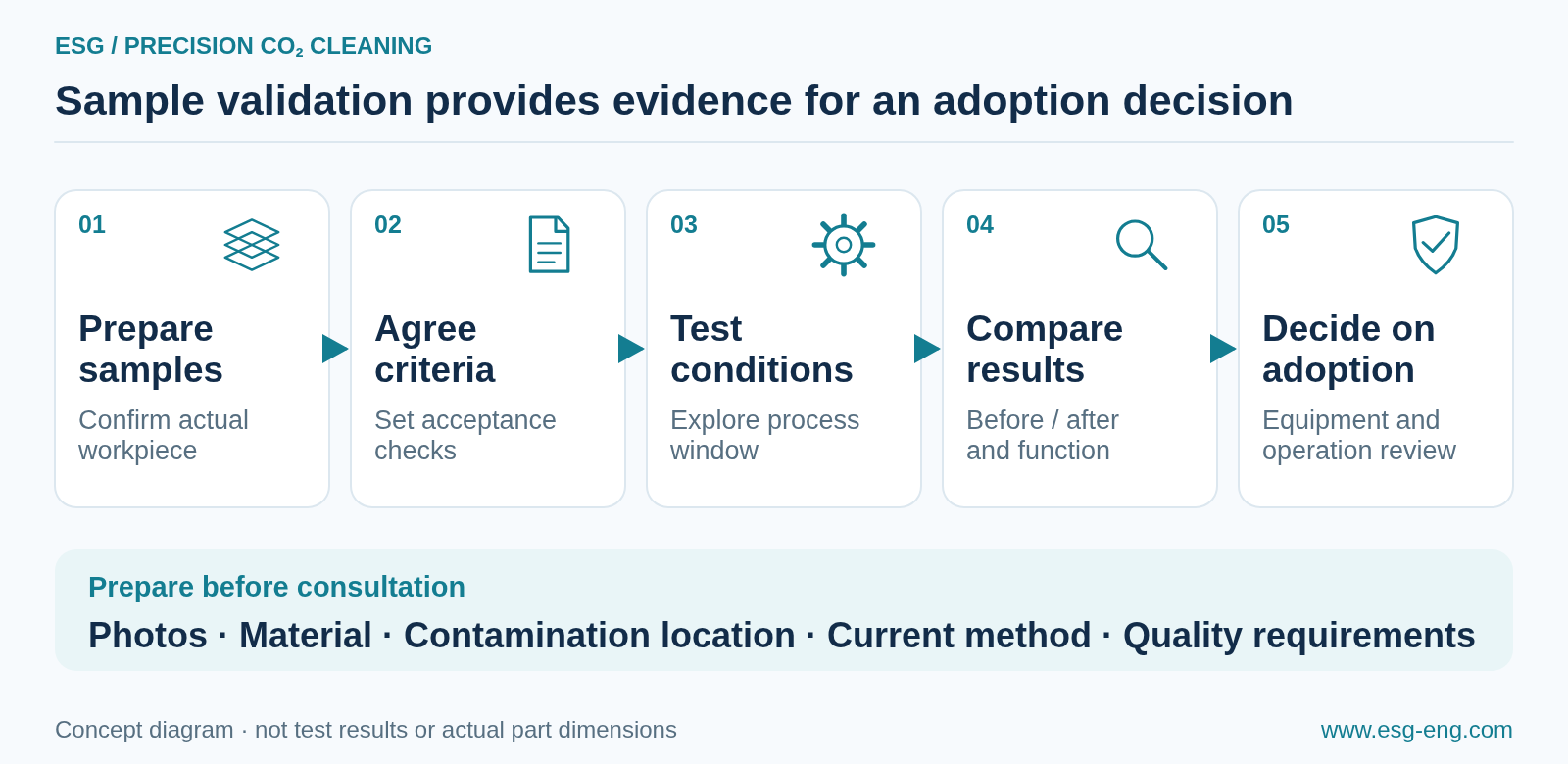
Comparisons between pre- and post-cleaning states should be conducted using the same location, magnification, and lighting conditions. By recording processing times and any potential damage, and by agreeing with the customer on the necessary functional and reliability tests, you can generate data to support the decision on whether to adopt the system.
Please decide whether to introduce the equipment only after verifying the conditions through a Proof of Concept (PoC) using actual samples. The criteria used for the assessment are more important than the visual difference seen in a single photograph.
Deburring goes beyond merely removing burrs; it is a process of ensuring the product meets its required specifications.
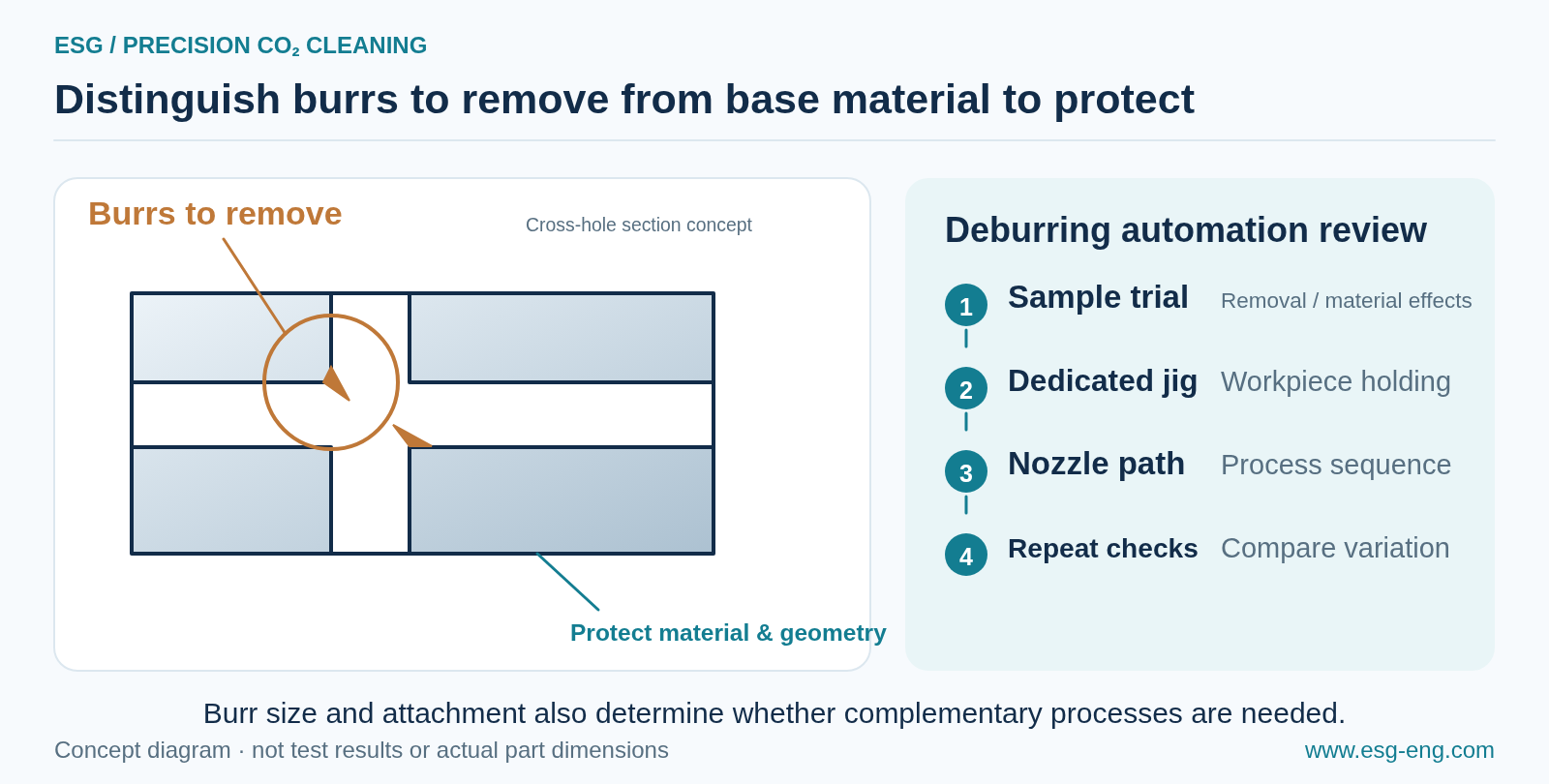
Figure 5. Precision deburring involves evaluating both burr removal and base material protection, followed by a review of automation options after verification.
The goal of deburring is to remove unwanted protrusions while preserving the required shape and surface integrity. Factors such as burr characteristics and processing objectives must be considered individually for cross-holes, micro-holes, plastic injection-molded parts, and precision aluminum components.
When selecting deburring equipment, evaluate not only the burr removal performance but also any changes to the base material and the consistency of results over repeated operations. Since direct-contact deburring tools and CO₂ particle blasting systems employ different approaches, it is best to compare them using the same inspection criteria.
ESG identifies precision deburring as a key application area. When implementing the process, it is appropriate to review CO₂ particle characteristics and blasting conditions, and to conduct tests to verify the removal status at specific locations and the impact on the base material. [2]
Automation entails more than just installing a robot; it requires a comprehensive review of workpiece fixturing, nozzle paths, processing sequences, and repetitive inspection procedures. The ESG website presents automated cleaning and automated deburring as distinct categories. [3]
The goal of deburring automation is to transform a task that previously varied by operator into a standardized, verifiable process. After establishing the necessary parameters through manual testing, proceed to evaluate the phased implementation of dedicated jigs, rotary tables, XY drive systems, or robotic automation. You must also determine whether the process needs to be integrated with other operations based on the size and adhesion characteristics of the burrs.
Mold cleaning requires distinguishing between heavy-duty cleaning and precision cleaning.
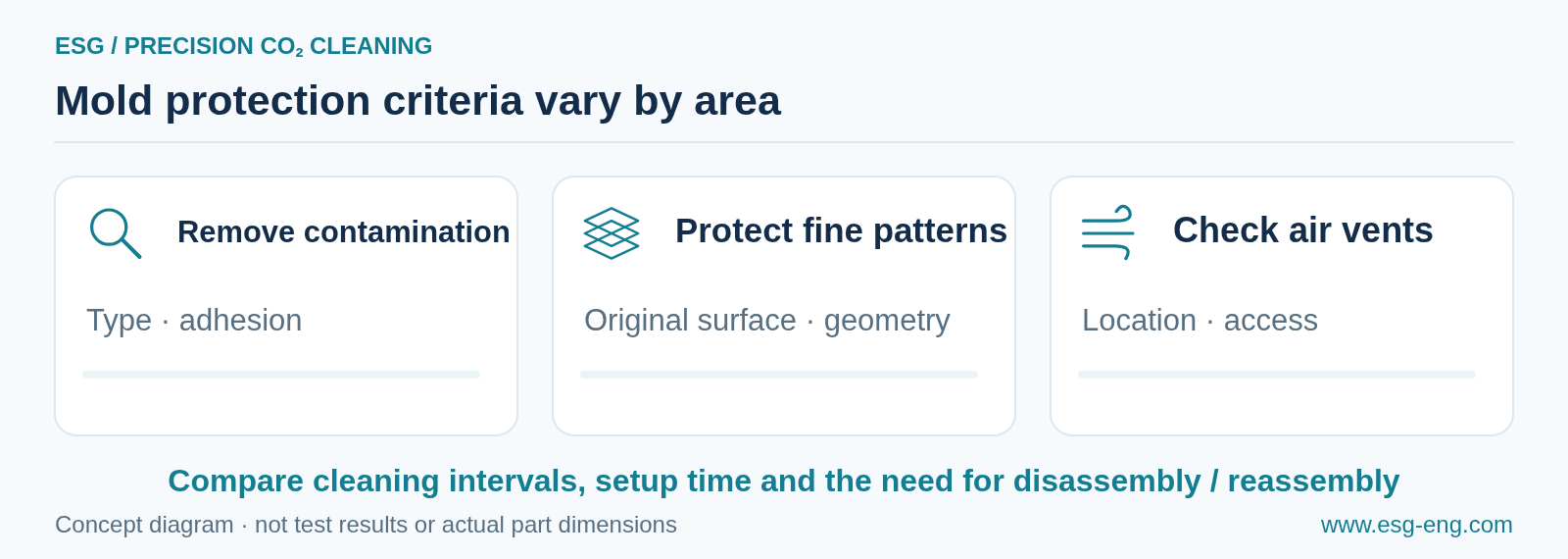
Figure 6. Mold cleaning involves reviewing protection standards and maintenance requirements for specific mold areas.
When evaluating mold cleaning equipment and processes, begin by identifying the type of contamination and the condition of the mold surface. The starting point is recognizing that rubber molds, injection molds, and molds with precision patterns cannot be treated under identical conditions.
Priorities differ between areas requiring the removal of stubborn deposits and areas requiring the protection of surfaces, patterns, or air vents. While ESG promotes precision mold cleaning for specific applications, actual operating conditions must be determined based on test results for the specific mold in question. [2]
The goal is not simply to use maximum pressure, but to identify an operating range that balances effective contamination removal with mold protection. Evaluating factors such as cleaning cycles, setup times, and the necessity of disassembly and reassembly facilitates decision-making from a maintenance perspective.
Conditions must be established first for degreasing, surface cleaning, and pre-painting treatments.
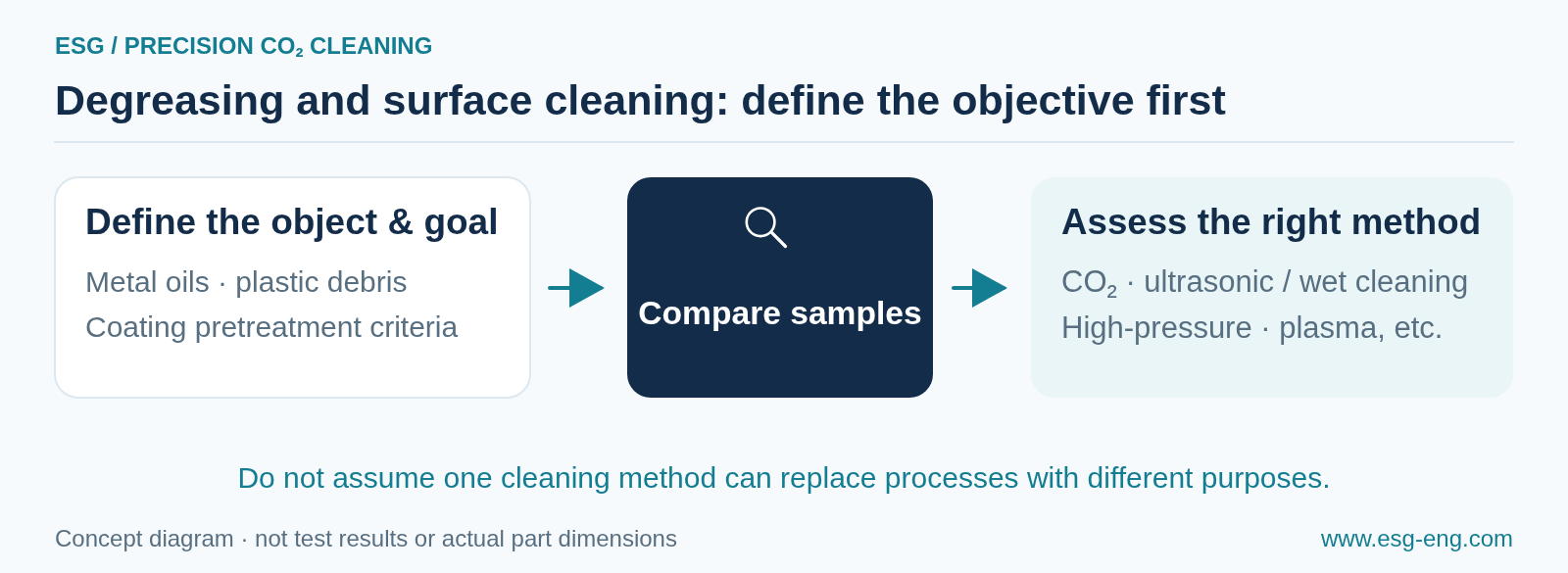
Figure 7. Rather than simply replacing existing processes wholesale, compare methods based on the specific target and quality standards.
Degreasing and surface cleaning in industrial settings begin with distinguishing the material type and the nature of the contamination. Even when evaluating the same cleaning equipment for oil on metal surfaces, foreign matter from plastic processing, or pre-painting treatments, the specific inspection criteria will differ.
Ultrasonic cleaners, industrial ultrasonic cleaners, high-pressure washers, and plasma cleaning systems are not interchangeable tools designed for the same purpose. It is best not to assume that a CO₂-based method can completely replace existing processes, including ultrasonic cleaning.
Rather than prematurely concluding which method is superior, compare the options to see which best suits your current contamination issues and product standards. If your process is burdened by water usage, drying times, chemical management, or the need for disassembly and reassembly, you might consider testing the feasibility of precision dry cleaning.
7 Things to Check Before Selecting Cleaning Equipment
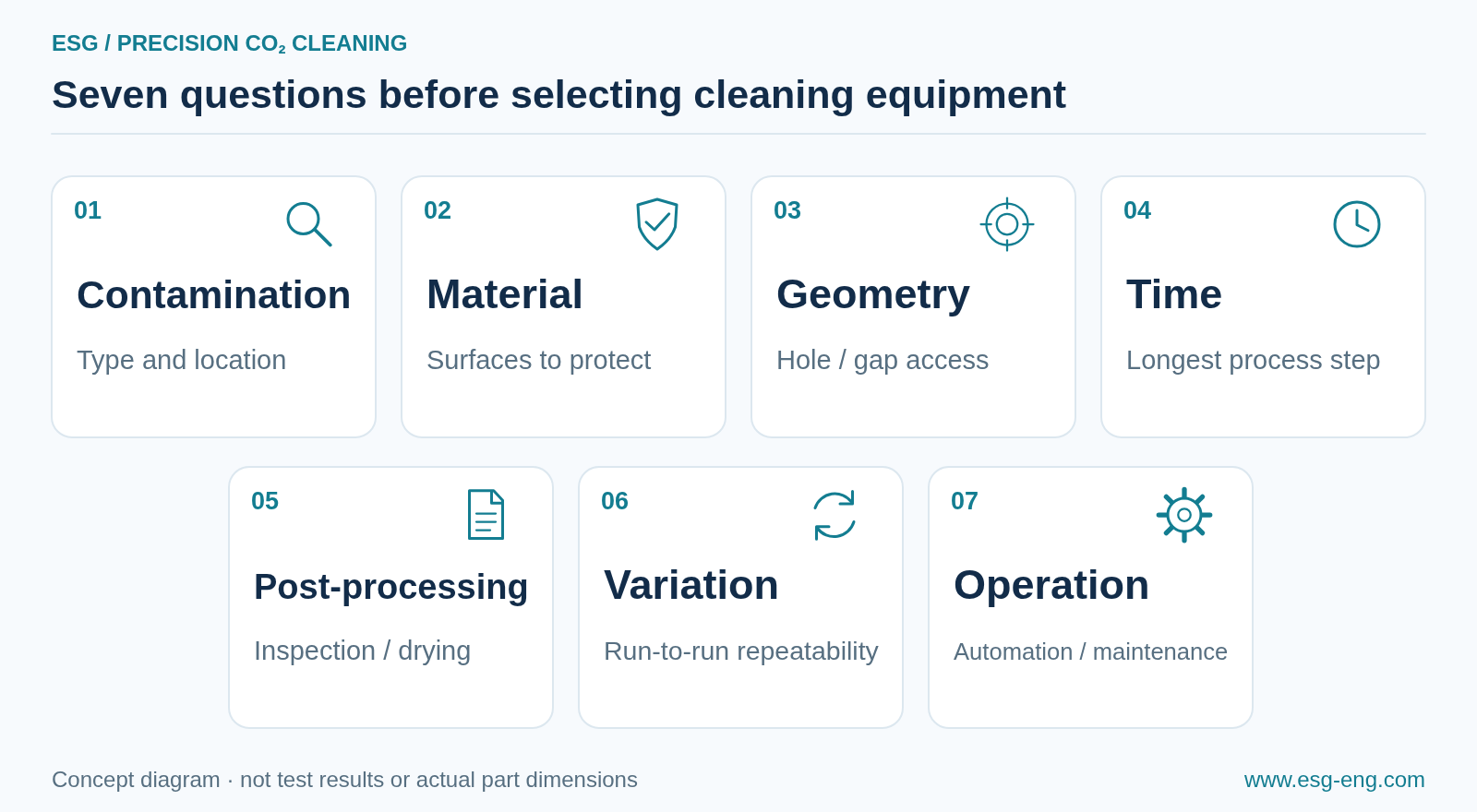
Figure 8. Compare equipment specifications and support scope after answering these seven questions.
Answering the following questions first will clarify your criteria when evaluating cleaning equipment.
1. What types of contamination need to be removed, and where are they located?
2. What is the material of the object, and which surfaces require protection?
3. Is it actually possible to access micro-holes, crevices, and internal structures?
4. Which step in the current process takes the most time?
5. What post-cleaning steps—such as inspection, drying, or further processing—are required?
6. Do results vary depending on the operator or the timing of production?
7. What conditions are necessary for future automation and maintenance?
It is advisable to select equipment only after the answers to these questions have been clearly defined. The primary criterion for judgment should be whether the equipment meets your product's specific requirements, rather than simply looking at a specification sheet listing maximum performance capabilities.
ESG evaluates cleaning conditions alongside the equipment itself.
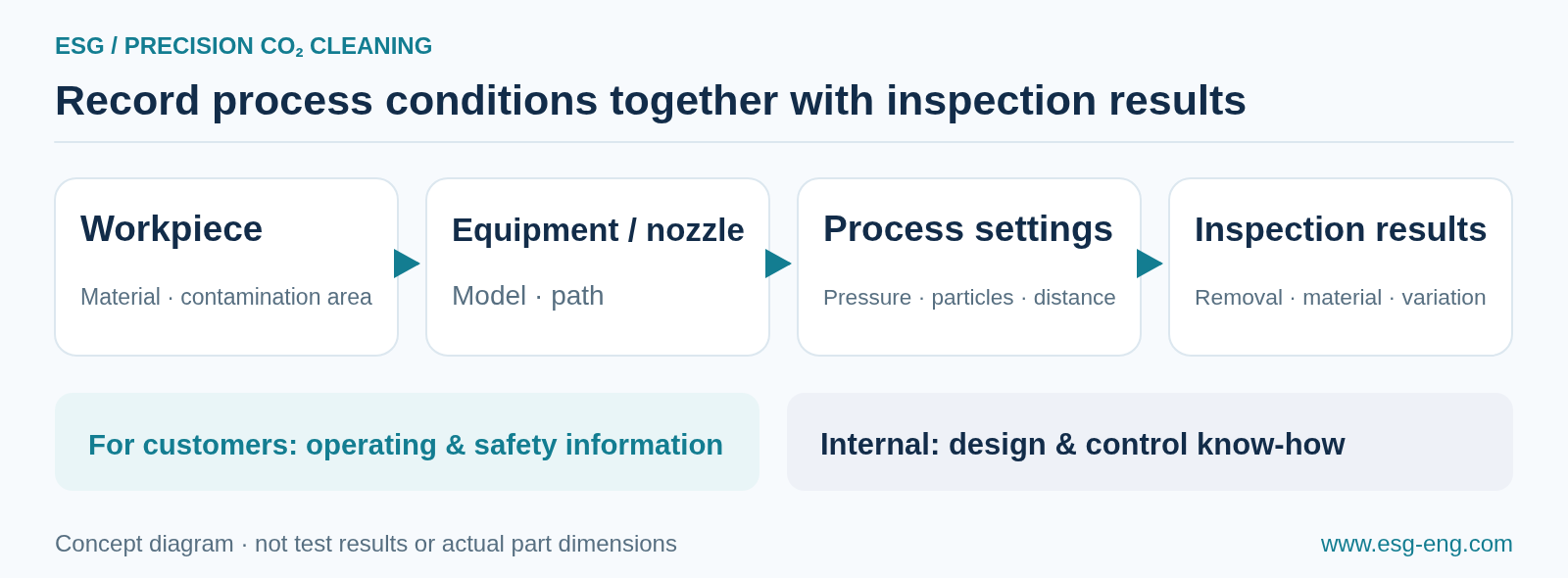
Figure 9. Cleaning condition records are linked to inspection results, while distinguishing between customer operational data and internal design know-how.
Even with the same cleaning equipment, the results that need to be evaluated will differ if the process conditions change. Therefore, ESG provides technical support that involves identifying the target object and contamination status, while analyzing and evaluating factors such as pressure, temperature, flow rate, and adhesion strength. [1]
The true value of precision dry cleaning equipment becomes apparent during this process of evaluating operating conditions. The goal should not merely be to achieve a successful result once, but to identify a range of parameters that ensure consistent, repeatable performance in a production environment.
When documenting conditions, be sure to link the equipment model, workpiece, nozzle, pressure, particle settings, distance, angle, processing time, and inspection results. It is also important to distinguish between operational and safety information that needs to be shared with the customer and internal design or control know-how that must remain confidential.
Inquiries from domestic manufacturing sites and overseas customers are essentially the same.
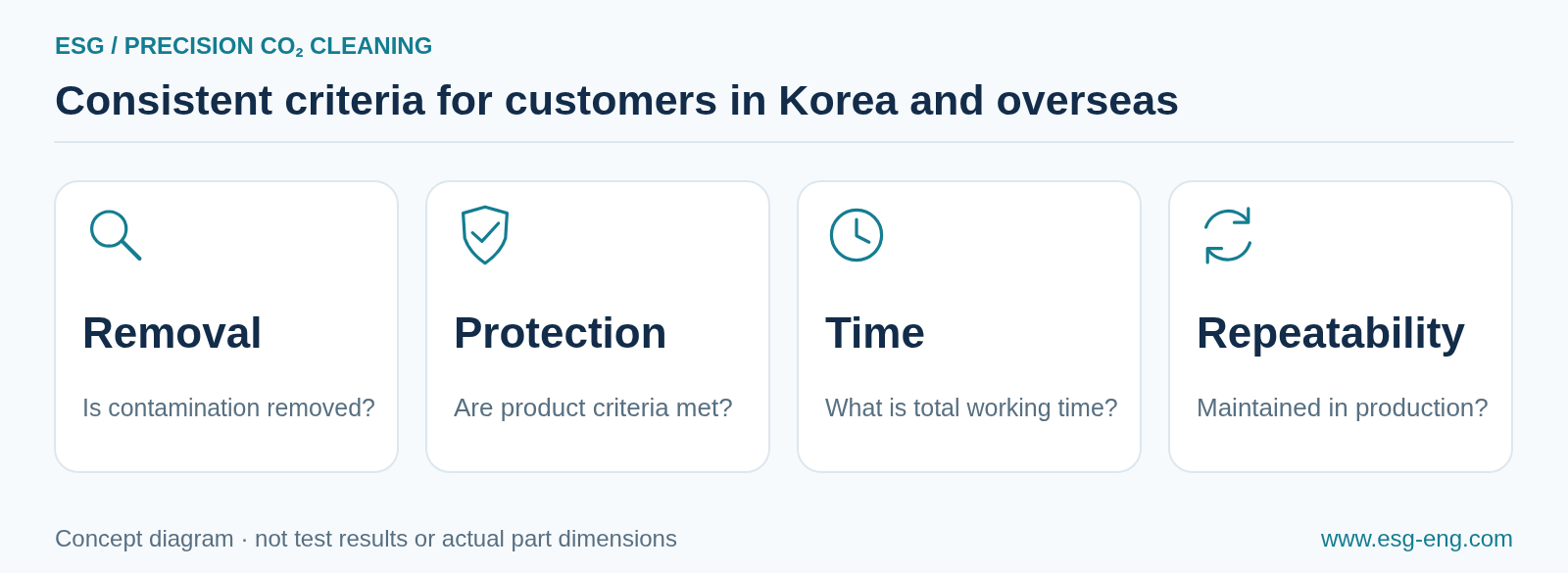
Figure 10. Evaluations for overseas applications also begin with the same fundamental questions: removal, protection, processing time, and repeatability.
For customers evaluating precision dry cleaning systems, dry ice cleaning equipment, CO₂ cleaning and deburring, the equipment name is only a starting point. Even when considering the category “metal surface finishing machine,” first establish the actual processing objective and application scope.
Is contamination removed adequately? Is the product protected? How does total working time change? Can the same criteria be maintained in volume production? Materials presented to customers in Korea and overseas should answer these questions.
Across the applications it officially presents—including semiconductors, PCBs, precision components and molds—ESG aims to connect product-specific validation with equipment assessment. [2] [3]
The right cleaning method is determined with actual samples
Figure 11. Assess suitability using actual samples and the customer’s inspection criteria before deciding on equipment adoption.
There is no single precision-cleaning answer for every product. PCBs differ in flux type and component layout, just as metal parts differ in burr geometry and surface condition.
Before implementation, confirm suitability using customer samples and inspection criteria. When considering precision dry cleaning systems, dry ice cleaning equipment, semiconductor cleaning equipment or deburring automation, prepare workpiece photographs, material details, contamination locations, the current method and quality requirements.
ESG’s official online inquiry form accepts requests for application consultation, testing and quotations. Describe the process problem you need to solve, rather than providing only an equipment name, to establish a clear starting point for the review. [4]
Cleaning is not about maximum force. It is about applying exactly what the task requires.
That is the precision dry cleaning standard ESG proposes.
Discuss a precision-cleaning application or request sample testing
ESG official website
Product specifications and application fields are based on official public materials. Sources [1]–[4] are listed below.